

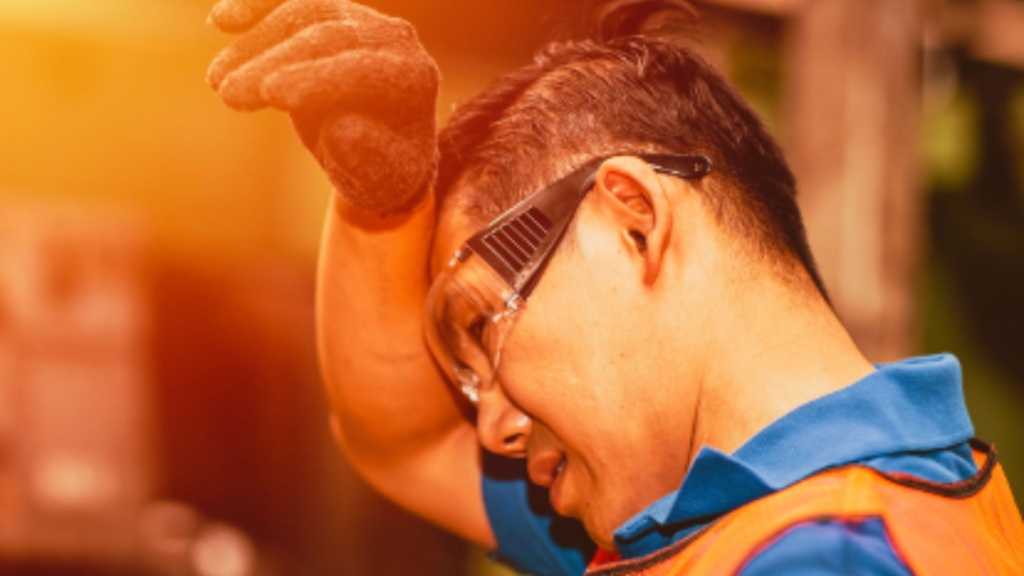
Everything you need to know about your rights when working in the heat.
For some workers, the work we do is already dangerous in the heat. For others, it’s harder to know who’s most at risk and how we can make changes to keep us safe when temperatures rise.
Often, we think heat is something outside our control, but managing the risks and hazards heat creates is something we can control and take action on.
Did you know, heat is a Workplace Health and Safety Issue?
Every worker can feel the effects of heat at work, whether you work indoors or outside, the heat and the hazards it creates puts our health, safety and wellbeing at risk.
When it heats up, our bodies have to work harder to cool down. But the types of work we do and the conditions we do it in can instead lead to heat stress and prevent us from doing our work safely and efficiently.
Here are some of the ways UWU members are impacted by heat at work
Logistics members’ warehouses become hot boxes and often have no air conditioning and poor ventilation (yet managers get to sit in offices with air con!)
Home care and aged care members get in and out of hot cars and hot homes to support our loved ones and vulnerable people (but employers and the healthcare sector usually only talk about heat risks for clients – not workers)
Security and maintenance workers wear hot uniforms and workwear, often lack sun protection and have little access to shade (employers must provide PPE (Personal Protection Equipment)– this includes sun & UV protection)
Cleaners work in buildings like schools and offices during heat, doing physical tasks after hours – when the air con has been turned off and during some of the hottest parts of the day!
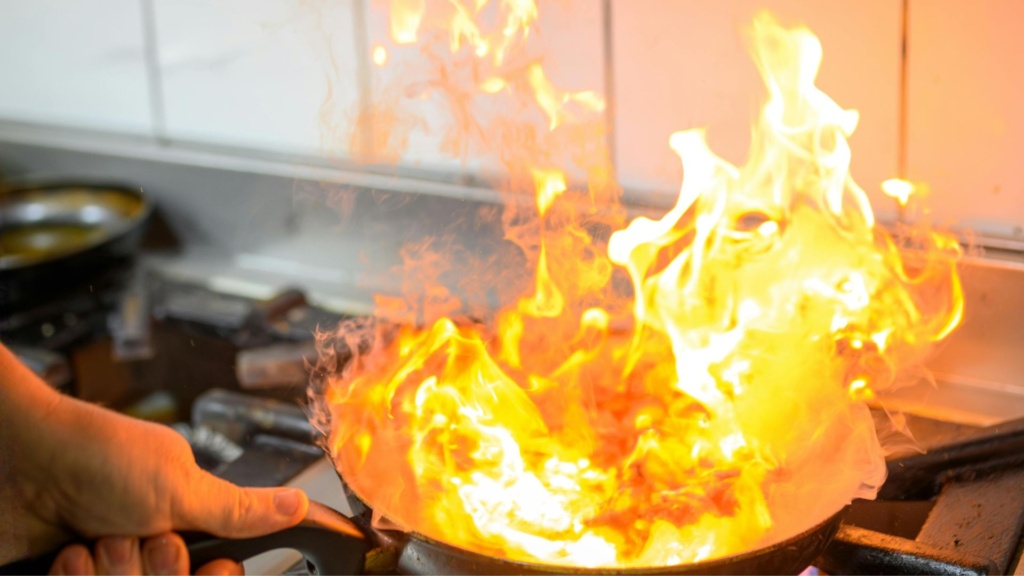
Hospo workers have to be on their feet, in hot kitchens, indoor spaces and outdoors, often wearing hot uniforms. On top of this, they put up with customers who are irritated, rude and even abusive, which is made even worse by the heat.
Early educators and teachers’ aides work with children indoors and outdoors. So, when it’s too hot to go outside, they experience extra pressure and increased workloads. Understaffing is already a huge issue, and when disruptions like heat waves and climate disasters such as bushfires and floods happen in regional areas, this has lasting impacts on our jobs and the community.
Farm workers who do picking and pruning outdoors during the heat are at high risk of heat stress and heat stroke yet often lack protections because of their visa status, making it hard to speak up.
When it’s hot, getting to and from work, the work we do and whether our homes have adequate cooling or we live in hot areas all contribute to how we experience heat, which makes every summer and our work more dangerous.
Every worker can be impacted by heat, and none of us should have to risk our lives going to work.
Heat Stress and your rights
These working conditions create hazards like heat stress, accidents, and can lead to deadly outcomes. We often feel the early signs of heat stress and heat illness as the temperature rises. These signs include headaches, sweating, and fatigue that can then lead to heat stroke in serious cases, which can be fatal. Not everyone feels the heat in the same way. Some of us, due to our age, body size, ability, location, and gender, are even more vulnerable.
It’s critical that each of us understands the symptoms of heat illness so we can avoid the risks. Heat is a Workplace Health & Safety (WHS) hazard, and it can be deadly. In Australia, heat has taken more lives than any other climate disaster (such as bushfires and floods) combined. No one should ever risk their lives at work.
Heat and WHS are something we can control, and we need to speak up. Every worker has the right to a safe workplace, free of risks and hazards, and this includes heat stress. Our employers have a legal duty to provide a safe workplace. It’s their responsibility under the Workplace Health and Safety Act to keep us safe.
United Workers Union members have taken action on heat as a WHS issue and won better protections for safer conditions during the heat. This is really important; heat is becoming a big issue for everyone as our climate changes and our conditions and workplaces need to adapt so workers and our jobs are safe.
How UWU workers have spoken up about heat safety and won!
Heat policies – UWU members have won heat policies and clauses in their agreements with paid breaks when it gets too hot to do their work safely and have plans to minimise heats impacts on their work.
Appropriate uniforms – workers across our sectors have spoken up and made their employers provide adequate summer uniforms, like short sleeves, breathable materials, and sun protection.
Air-conditioning – members have got their employers to install air conditioners in break rooms and work areas.
Paid disaster leave – no one should have to lose their income when climate disasters occur. UWU members have won paid leave when they’re impacted by disasters like bushfires, floods, and cyclones. UWU is campaigning for every worker to have access to paid climate disaster leave.
Health and Safety Representative (HSR) – every workplace should have an elected HSR (who is not your HR or manager).
HSRs are UWU members, elected by you. They receive UWU in-house HSR training on paid time. They have stronger powers under the WHS Act and can take action on your behalf to create a safer workplace.
HSRs have been able to stop work on paid time when there’s a risk to workers’ health and safety to make sure workers have breaks and are consulted. They have also been able to make changes to workloads and enforce employers to take action on WHS and heat.
There are many ways we can create safer workplaces and exercise our WHS rights during the heat. Download our Heat WHS resources pack now.